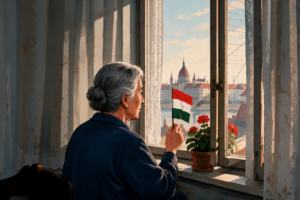

A Journey Through Culture and Nature – UNESCO World Heritage Sites in Hungary
UNESCO World Heritage Sites are places of outstanding cultural or natural value that belong to the shared heritage of humanity. They are protected under the UNESCO World Heritage Convention, established in 1972, which aims to preserve the world’s most exceptional monuments, landscapes, and historical treasures for future generations. Cultural sites include architectural masterpieces, historic towns, and archaeological areas, while natural sites cover unique ecosystems, geological formations, and landscapes of exceptional beauty.
Hungary, a country rich in history and natural wonders, has eight UNESCO World Heritage Sites. Each one tells a different story about the nation’s past, traditions, and environment.
Inscribed in 1987 and expanded in 2002, this site showcases the architectural harmony of Hungary’s capital. The Danube panorama, the historic Buda Castle District, and the elegant Andrássy Avenue – including Heroes’ Square and the Millennium Underground – reflect centuries of cultural development. This area is one of Europe’s most beautiful urban landscapes.




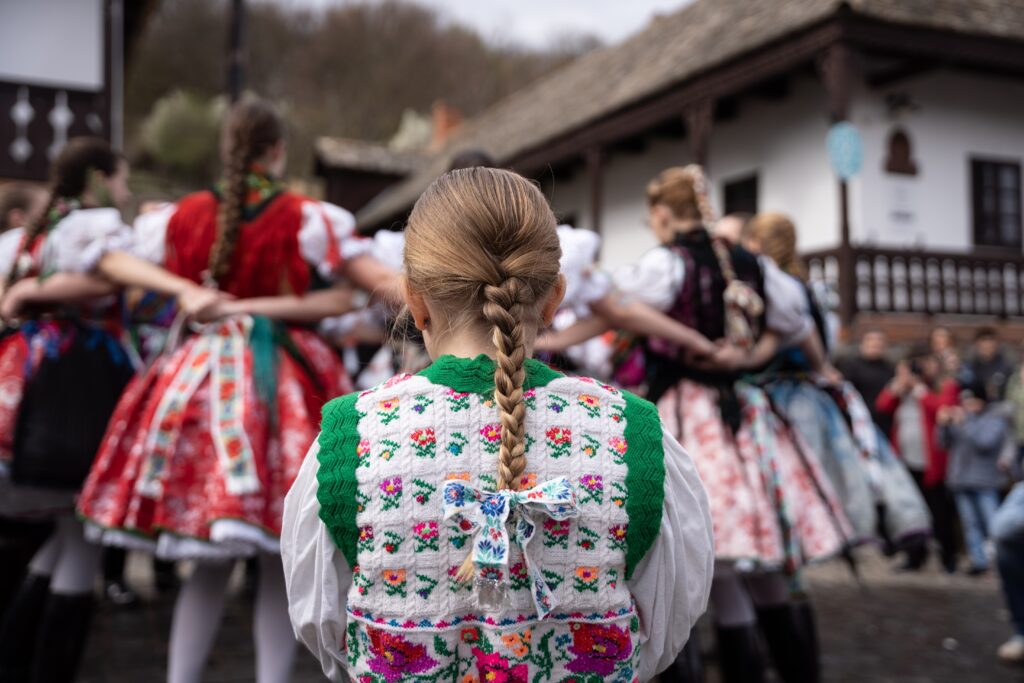
Hollókő, listed in 1987, is a living example of a traditional Hungarian village. Its wooden houses, narrow streets, and preserved rural lifestyle offer a glimpse into 17th–18th‑century village life. The community still maintains many of its folk traditions, making Hollókő a unique cultural treasure.
This cross‑border natural site, added in 1995, is famous for its spectacular stalactite caves. The Baradla Cave, one of the largest in Europe, features impressive rock formations and underground passages. The area is also important for scientific research and biodiversity.
Founded in 996, Pannonhalma is one of the oldest monastic centres in Hungary. The abbey complex, inscribed in 1996, includes a basilica, library, and cloisters surrounded by vineyards and peaceful landscapes. It remains an active Benedictine monastery and a symbol of Hungary’s Christian heritage.
Hortobágy, listed in 1999, is Europe’s largest continuous natural grassland. This cultural landscape reflects centuries of pastoral traditions, including the work of Hungarian herdsmen. Its vast plains, unique wildlife, and traditional farm buildings make it an iconic symbol of rural Hungary.
A CIKK FOLYTATÁSÁT A MAGAZIN 2026. ÁPRILISI LAPSZÁMÁBAN OLVASHATÓ NYOMTATÁSBAN ÉS ONLINE
DIGITÁLIS ELŐFIZETÉS (hozzáféréssel 2012-ig a korábbi lapszámokhoz)