Hallottátok már azt az angol idiómát, hogy „the best thing since sliced bread”? Mielőtt kiderítjük mit jelet – természetesen átvitt értelemben – nézzük meg mikor, miért, és hogyan került a szeletelt kenyér a boltok polcaira.
The history of sliced bread
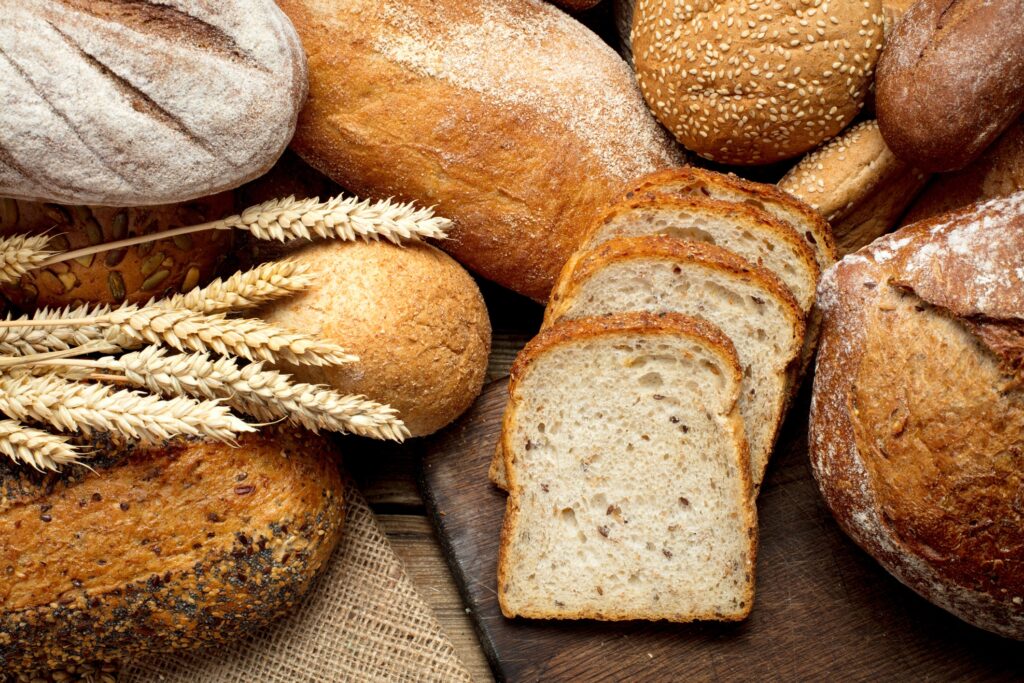
Behold, sliced bread. But where did it come from? Meet Otto Frederick Rohwedder, born in Iowa in 1880.
Okay, okay, Otto didn’t invent the idea of sliced bread. Bread itself is an ancient invention. Over thousands of years, many people independently figured out how to bake and prepare it.
However, Otto did invent the bread slicing machine that makes it possible to sell loaves of bread pre-sliced.
After growing up in Iowa, Otto moved down to Missouri with hopes of becoming a successful jeweller. And he was off to a good start. He owned three stores and seemed set for even bigger success. But as time went on, he became more and more interested in building a mechanical bread slicer.
Otto mulled over this idea for years, and by 1916, he decided to sell his jewelry stores and make his bread slicer a reality. The mechanical bread slicer was off to a rocky start. Otto’s first prototype was unsuccessful, and in 1917, the factory he’d planned to use burned down, along with his blueprints and prototypes.

At this point, most people would have given up. Luckily, Otto wasn’t most people. By 1928, he’d created a machine that both sliced and wrapped loaves of bread. In July of that year, pre-sliced bread was sold for the first time, and the invention’s popularity skyrocketed.
Today, most loaves come pre-sliced. And if you think something is particularly impressive, you might describe it as the best thing since sliced bread, all due to Otto’s stuff of genius.
Decide if the statements are true or false!
Statements:
- Otto Rohwedder grew up in the same state where he was born.
- Otto decided to leave the jewelry business after his bread slicer became a commercial success.
- A fire destroyed Otto’s early plans and models before his machine was finished.
- The machine Otto built in the late 1920s could both cut and wrap loaves of bread.
- The phrase “the best thing since sliced bread” existed before Otto invented his machine.
Correct answers:
- True – The text says Otto was born in Iowa and that he grew up in Iowa before moving to Missouri, so he was born and raised in the same state.
- False – The text says Otto sold his jewelry stores in 1916 in order to build his bread slicer, not after it became successful. He gave up the business before the machine was finished.
- True – The text states that in 1917, the factory Otto had planned to use burned down, taking his blueprints and prototypes with it.
- True – The text says that by 1928, Otto had created a machine that both sliced and wrapped loaves of bread.
- False – The text connects the phrase “the best thing since sliced bread” to Otto’s invention, suggesting the expression came about because of his work, not before it.
Vocabulary
| behold | íme / nézd csak / tekints erre |
| to invent | feltalálni |
| ancient invention | ősi találmány |
| independently | egymástól függetlenül / önállóan |
| to figure out | kitalálni / rájönni valamire |
| bread slicing machine | kenyérszeletelő gép |
| loaf of bread | egy vekni kenyér |
| pre-sliced | előre felszeletelt |
| jeweller | ékszerész |
| to be off to a good start | jól indulni / jó rajtot venni |
| to mull over | elgondolkodni valamin / fontolgatni |
| a rocky start | nehéz / döcögős kezdet |
| to be wrapped | be van csomagolva / becsomagolt |
| to skyrocket | az egekbe szökni / meredeken emelkedni |