
Bundáskenyér in Different Cultures
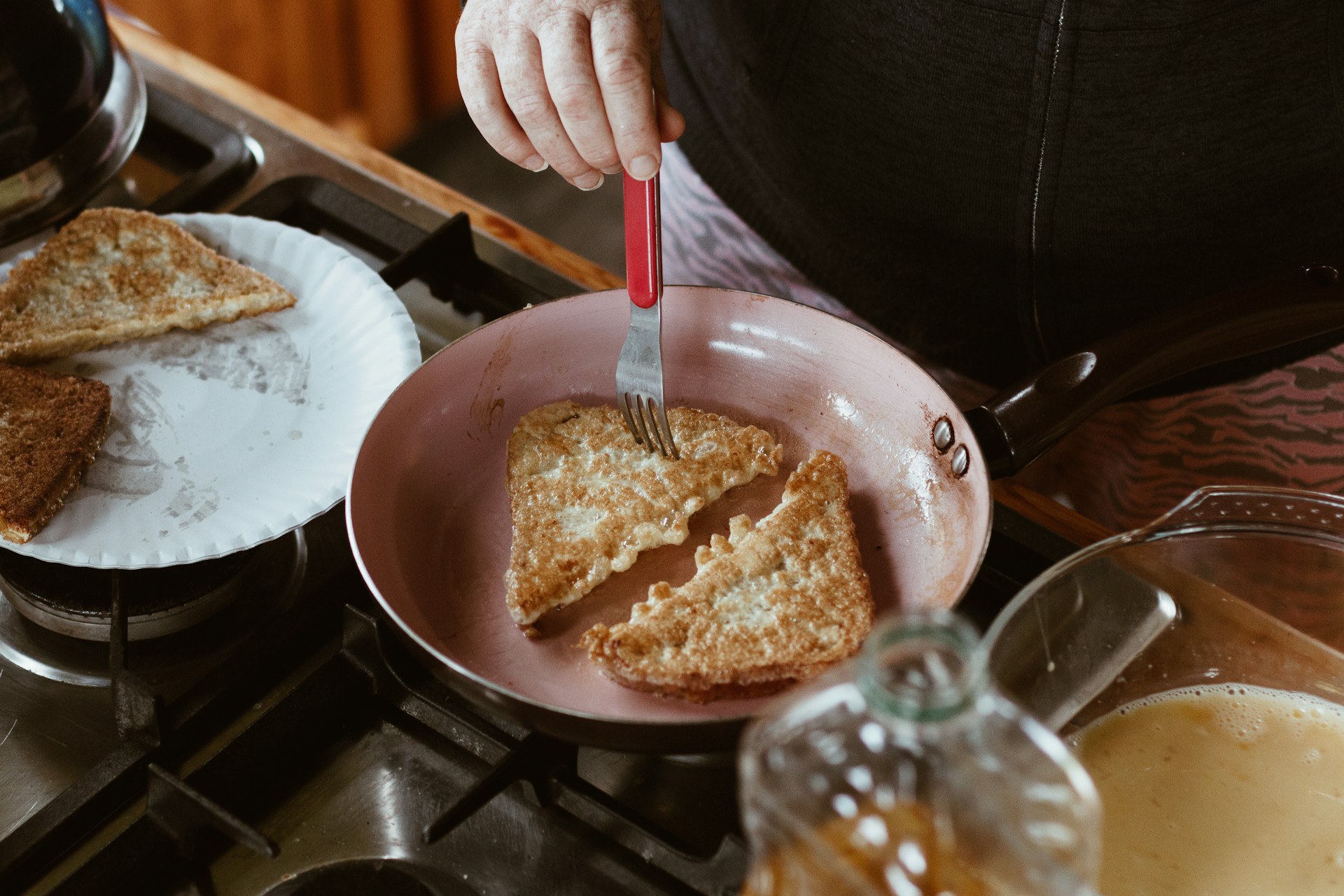
Bundáskenyér, literally “bread in a coat” or “bread in a fur coat” is a beloved Hungarian dish. It is prepared by dipping slices of bread into beaten eggs and frying them until golden. In Hungary, the preference is usually for a savory version: people season it with salt, pepper, or garlic, and sometimes eat it with cheese or sour cream. It is considered a quick comfort food, often eaten for breakfast or dinner.

Interestingly, similar recipes exist in many other countries, but the flavor profile often changes. In the United States and the United Kingdom, the dish is known as French toast. There, the egg mixture is sweetened with sugar, cinnamon, or vanilla, and the fried bread is typically served with syrup, honey, or fresh fruit.
France has its own variation called pain perdu, meaning “lost bread”. Traditionally, it was a clever way to use stale bread and avoid waste. In Spain, the equivalent is torrijas, which are especially popular during Easter. Spanish torrijas are soaked in milk, sugar, and sometimes wine before frying, resulting in a rich, sweet treat.
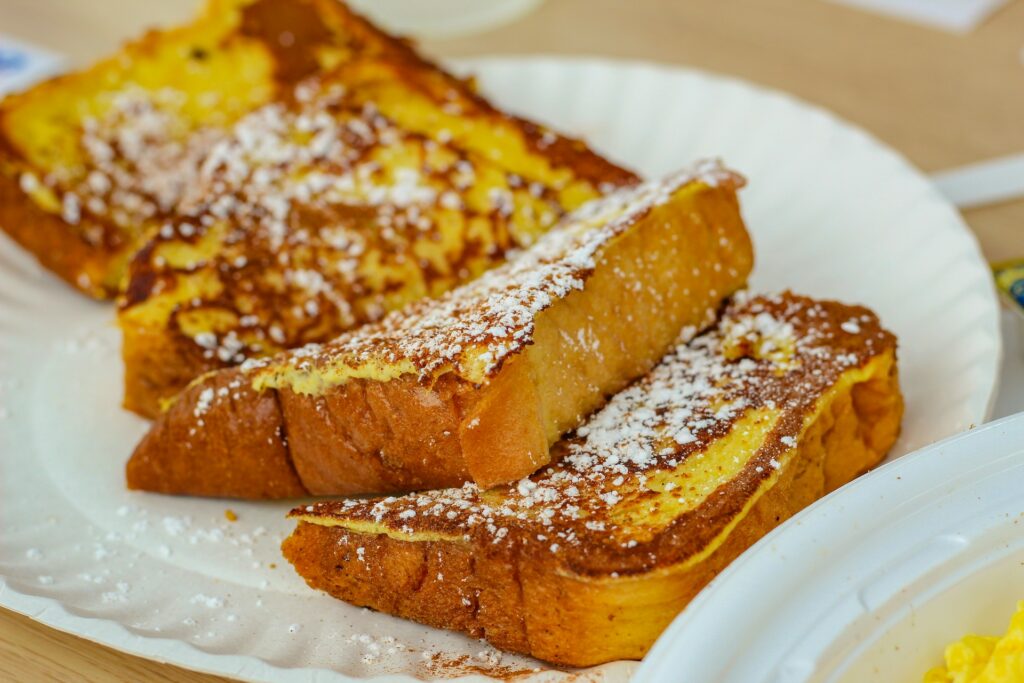
So, while Hungarians enjoy bundáskenyér mainly as a salty dish, in many other cultures the same technique produces a dessert. The names differ – French toast, pain perdu, torrijas – but the principle remains universal: bread, egg, and frying, transformed into comfort food across borders.


Komplett angol nyelvtan rendszerező videókurzus

20 alkalmas TEMATIKUS SZÓKINCSFEJLESZTŐ videókurzus Szalai Nórival

Általános üzleti/munkahelyi angol videókurzus
Vocabulary
| beloved | kedvelt, szeretett |
| to dip | belemártani, mártogatni |
| beaten eggs | felvert tojás |
| preference | preferencia, előnyben részesítés |
| savory | sós |
| sour cream | tejföl |
| interestingly | érdekes módon |
| stale bread | állott kenyér |
| to avoid waste | elkerülni a pazarlást |
| equivalent | megfelelő |
| to soak | áztatni, ázni, beáztatni |


