
The Real Peaky Blinders: History Behind the Legend
When people hear the name Peaky Blinders today, they often think of the famous television series, stylish suits, and dramatic gang rivalries. However, long before the show became a global success, the Peaky Blinders were a real street gang operating in the late Victorian and Edwardian periods.
They came from Small Heath, a tough working‑class district of Birmingham, and were known for their sharp fashion sense, violent behaviour, and control of local criminal activities. Their story is deeply connected to industrial poverty, youth subculture, and the harsh realities of urban life at the end of the 19th century. Today, their legacy inspires museums, guided tours, and cultural events, as well as the popular TV series and an upcoming film.
Origins and the Meaning of the Name
The Peaky Blinders emerged in the late 19th century, most likely between the 1880s and 1890s. Birmingham at that time was a rapidly growing industrial city, full of factories, smoke, and overcrowded neighbourhoods. Small Heath, where the gang first appeared, was a place where many young men struggled to find stable work and lived in difficult conditions.
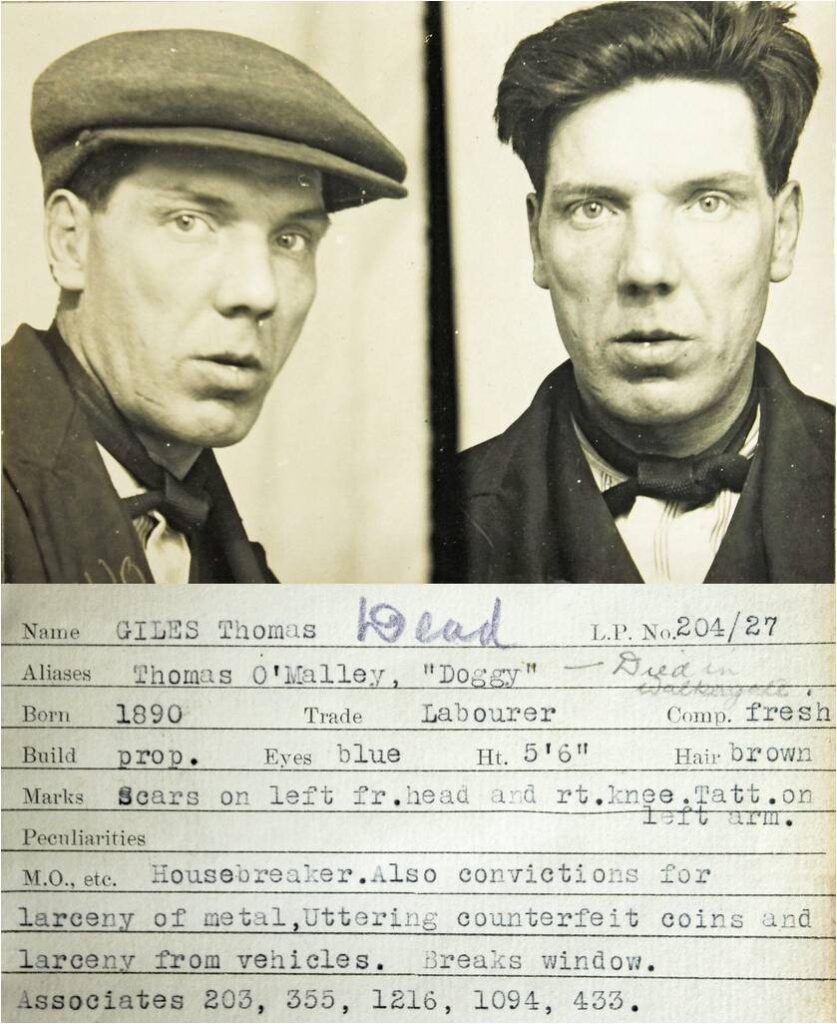
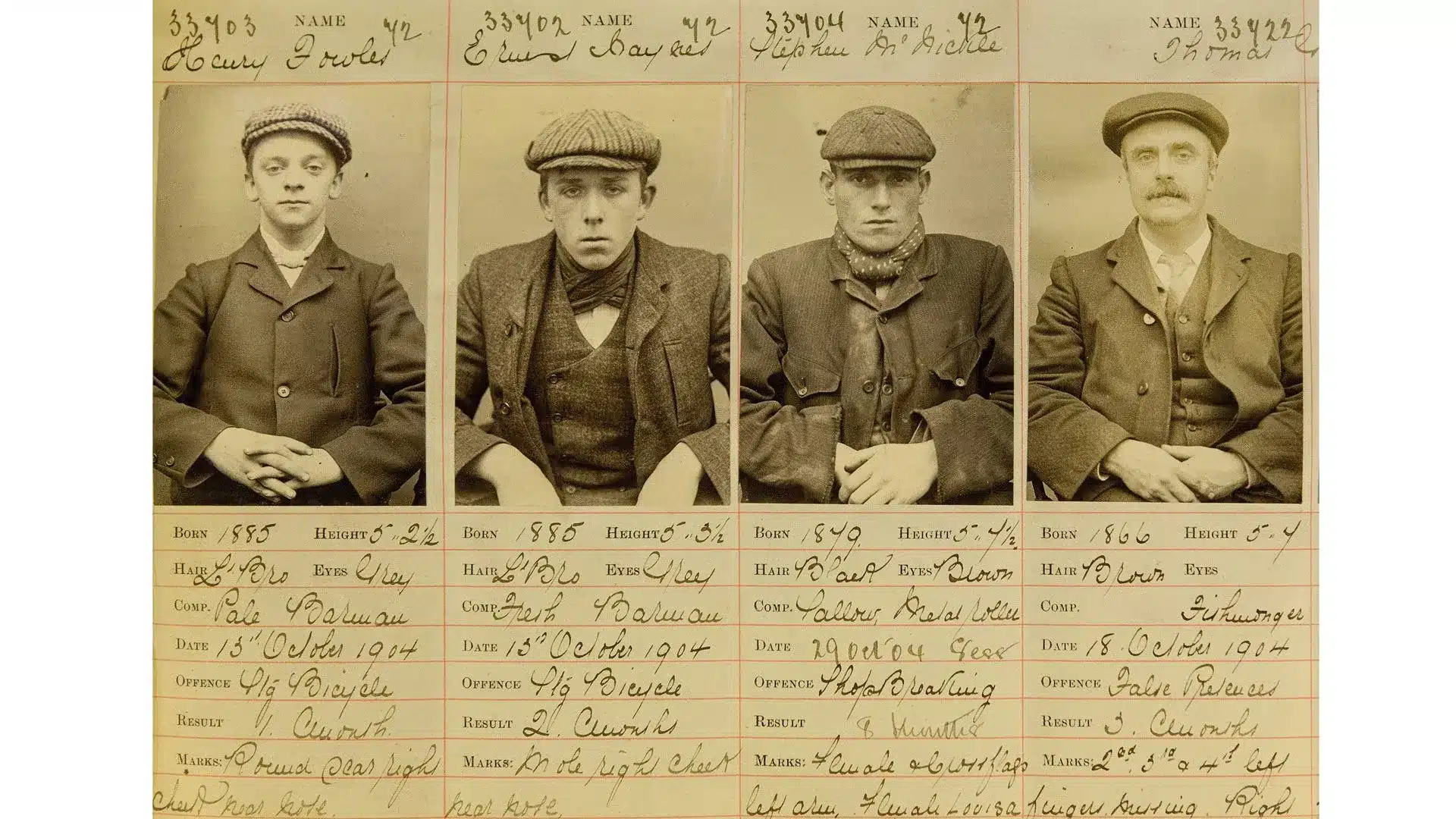
The origin of the name Peaky Blinders has been debated for years. The most common explanation is that it refers to the peaked caps the gang members wore. These caps were fashionable among working‑class men, but the Peaky Blinders used them as part of their intimidating style. Some old newspaper reports claimed that the gang hid razor blades in the peaks of their caps and used them as weapons. However, many historians believe this is unlikely, because razor blades were expensive at the time. Whether true or not, the story captured the public imagination and helped create the dramatic image that still surrounds the gang today.
Social Context and Membership
To understand why the Peaky Blinders formed, it is important to look at the social conditions of Birmingham during that period. Many families lived in poverty, and young men often had few opportunities for education or stable employment. Industrial work was physically demanding and poorly paid, and unemployment was common. In this environment, street gangs became a way for young men to gain status, protection, and a sense of belonging.
Membership in the Peaky Blinders was not fixed. It changed depending on local events, police pressure, and economic conditions. At different times, hundreds of young men across the West Midlands may have been connected to the gang. Their activities included street fighting, robbery, illegal bookmaking, and protection rackets. They also controlled certain neighbourhoods and intimidated local residents and businesses. Their behaviour reflected the wider pattern of urban crime in late Victorian England, where many cities struggled with youth violence and social unrest.
Style, Tactics, and Reputation
One of the most distinctive features of the Peaky Blinders was their attention to style. Unlike many other gangs, they dressed in tailored jackets, silk scarves, heavy boots, and their famous flat caps. Their appearance was carefully chosen to show confidence and superiority. It also helped them stand out from other groups and created a sense of fear and respect.
However, their elegant clothing did not hide their violent behaviour. Contemporary newspapers described them as dangerous and unpredictable. Reports often focused on attacks against police officers, rival gangs, and ordinary citizens. These stories increased public fear and led to stronger policing in Birmingham. Court records from the time show that many members were arrested for assault, theft, and disorderly conduct.
Although modern culture sometimes romanticizes the Peaky Blinders as highly organized and strategic, historical evidence suggests that they were more chaotic. Their power came from intimidation, local influence, and the ability to act quickly and violently, rather than from sophisticated planning. Still, their reputation grew, and their name became known far beyond Birmingham.


Komplett angol nyelvtan rendszerező videókurzus

ANGOL Nyelvtan+Szókincs – átfogó 40 részes videókurzus, középfokra készülőknek is

Kezdő szintről középfokra (Level 1-2-3-4-5)
Decline and Lasting Legacy
By the 1920s, the original Peaky Blinders had mostly disappeared. Several factors contributed to their decline. Policing became more effective, social conditions slowly improved, and new criminal groups emerged. Some former members joined larger, more organized gangs, while others moved into regular employment as the economy changed.
Even though the gang itself faded, the name Peaky Blinders survived. Historians, writers, and local residents continued to talk about them, and their story became part of Birmingham’s cultural identity. Exhibitions, books, and documentaries helped keep the memory alive. When the television series Peaky Blinders premiered in 2013, it transformed the gang into an international phenomenon. Although the show takes many creative liberties, it sparked new interest in the real history behind the legend.
Museums, Tours, and Modern Popular Culture
Today, visitors to Birmingham can explore the world of the Peaky Blinders through museums, guided walks, and themed attractions. Local heritage projects offer tours of Small Heath and other areas connected to the gang. These tours often include old factories, narrow streets, and pubs where gang members once gathered. Guides share stories based on historical research, helping visitors understand the difference between fact and fiction.
Museums in Birmingham also display photographs, police records, and newspaper articles from the period. These materials show what life was really like for working‑class families and how gangs influenced everyday life. Some exhibitions focus on fashion, showing how the Peaky Blinders’ style became part of their identity.
The success of the TV series has greatly increased tourism. Fans come from around the world to see filming locations, buy themed merchandise, and experience the atmosphere of early 20th‑century Birmingham. With a new film on the way, interest in the Peaky Blinders is likely to grow even more.
Vocabulary
| stylish suit | elegáns öltöny |
| gang rivalries | bandaháborúk |
| tough | kemény |
| working-class district | munkásnegyed |
| sharp fashion sense | kifinomult öltözködési stílus |
| violent behaviour | erőszakos viselkedés |
| deeply connected to | szorosan kapcsolódik valamihez |
| industrial poverty | ipari szegénység |
| youth subculture | ifjúsági szubkultúra |
| harsh reality | kemény valóság |
| rapidly growing | gyorsan növekvő |
| overcrowded neighbourhood | túlzsúfolt környék |
| to struggle to | küzdeni valamiért |
| stable work | stabil munka |
| to refer to | utalni valamire |
| peaked cap | csúcsos sapka |
| intimidating | félelmet keltő |
| to claim | állítani |
| to hide razor blades | borotvapengéket elrejteni |
| peak of the cap | a sapka csúcsa |
| physically demanding | fizikailag megterhelő |
| poorly paid | rosszul fizetett |
| unemployment | munkanélküliség |
| common | gyakori |
| to gain status | státuszt szerezni |
| sense of belonging | összetartozás érzése |
| street fighting | utcai verekedés |
| illegal bookmaking | illegális fogadás |
| protection rackets | védelmi pénzek |
| social unrest | társadalmi nyugtalanság |
| distinctive features | jellegzetes vonások |
| silk scarf | selyemsál |
| confidence | magabiztosság |
| superiority | felsőbbrendűség |
| to stand out from | kitűnni valahonnan |
| unpredictable | kiszámíthatatlan |
| public fear | közfélelem |
| to be arrested for | letartóztatva lenni valamiért |
| assault | támadás |
| theft | lopás |
| disorderly conduct | rendzavarás |
| reputation | hírnév |
| to contribute to | hozzájárulni valamihez |
| to fade | elhalványulni |
| to spark interest | érdeklődést kelteni |
