Rákóczi túrós: miért hívják így, és mi lehetne a neve angolul?

Oszd meg:

Rákóczi túrós: a cake with a misleading name

If you ask a Hungarian who the cake is named after, many people will proudly answer: “Ferenc Rákóczi II, of course!” It sounds logical. Rákóczi is one of the most famous names in Hungarian history, and you can find streets, squares and statues named after him all over the country. But the answer is wrong. The cake has nothing to do with the prince.

The prince

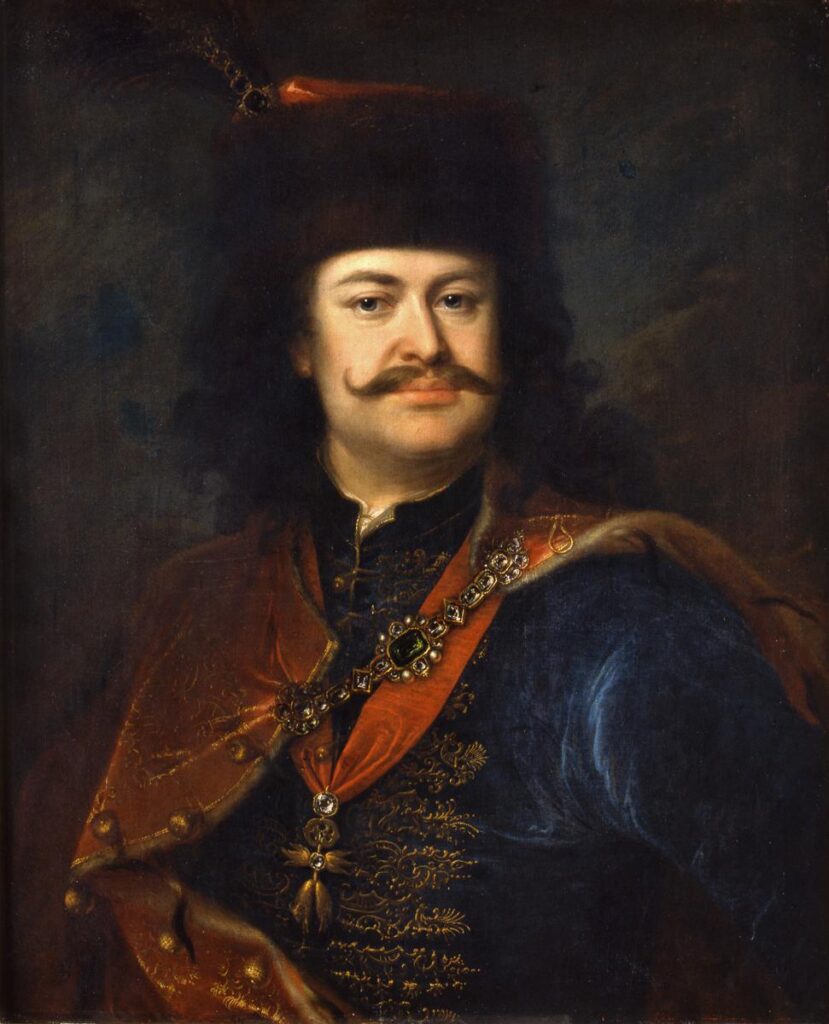
Ferenc Rákóczi II was born in 1676 into one of the richest noble families in Hungary. At the time, Hungary was ruled by the Habsburgs, and many Hungarians wanted independence. In 1703 Rákóczi became the leader of a war of independence against the Habsburgs. The fight lasted eight years, but in 1711 the Hungarians were defeated. Rákóczi refused to give up his ideas and went into exile. He spent the last years of his life in Rodosto, a small town in the Ottoman Empire (today Tekirdağ in Turkey), where he died in 1735. Today he is remembered as a national hero.
The chef

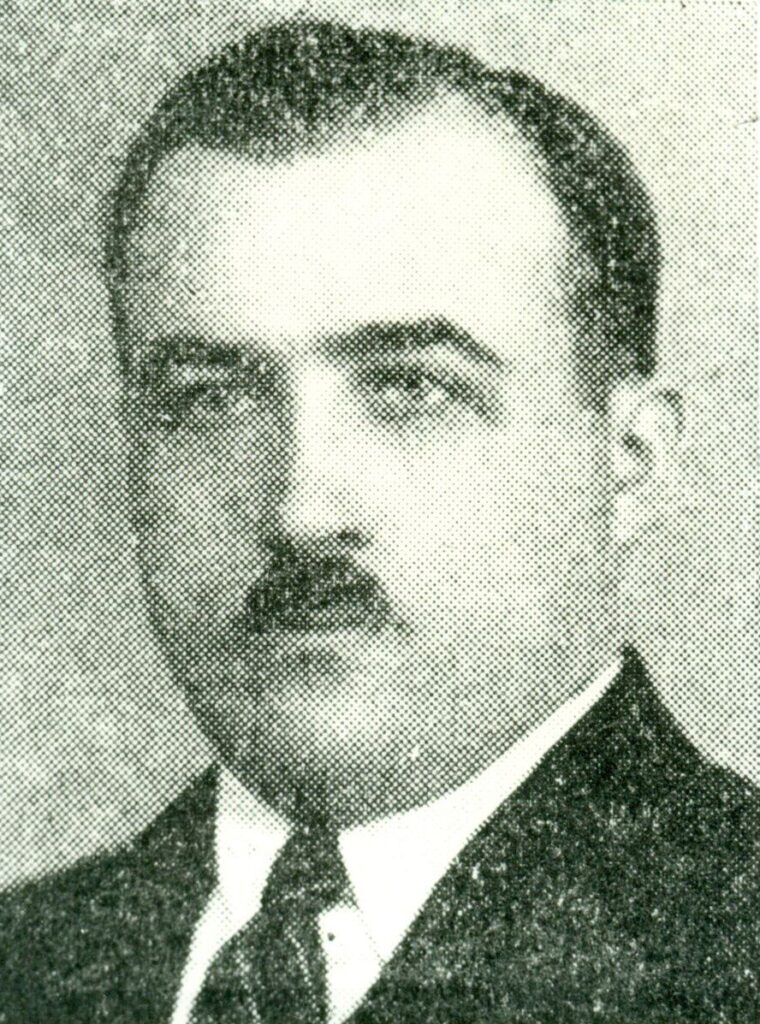
The real “father” of the cake was another Rákóczi: János Rákóczi (1897–1966), a Hungarian master chef. He started working in a kitchen as a cook’s assistant at the age of 15. Between the two world wars, he worked as a chef in Paris, Berlin and London, and later in famous Hungarian hotels such as the Palota Hotel in Lillafüred and the Gellért Hotel in Budapest. His cooking combined Hungarian and French traditions. In 1958 he was in charge of the kitchen of the Hungarian pavilion at the Brussels World’s Fair.
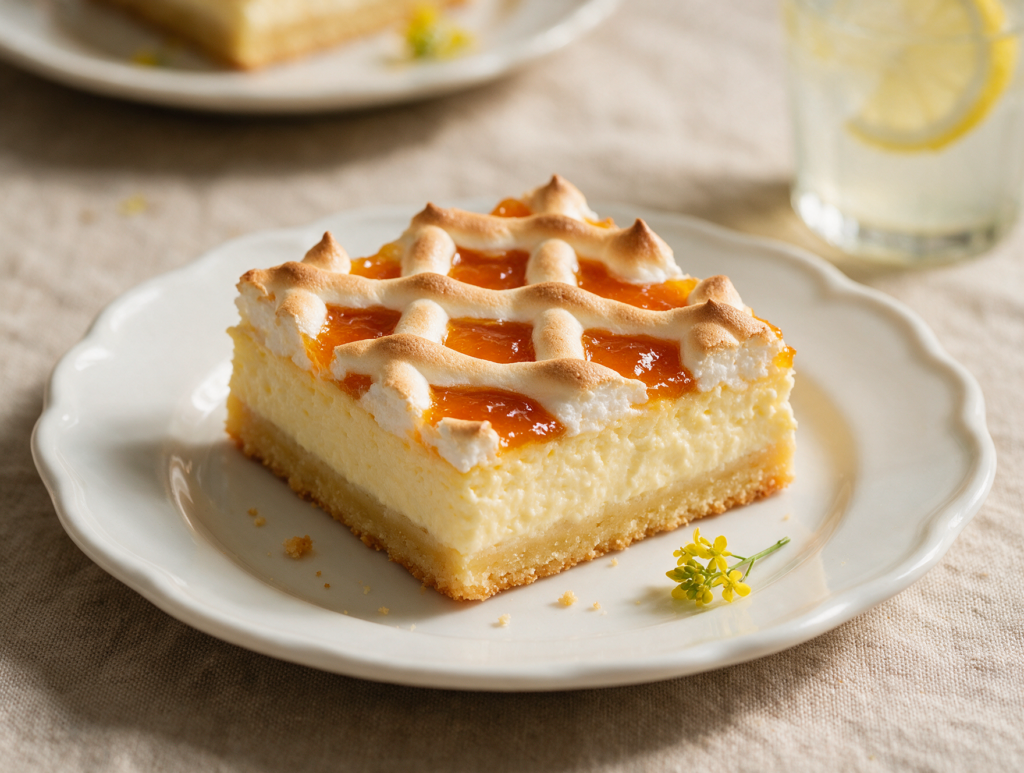
János Rákóczi created a cake that still carries his name: a crumbly pastry base, a sweet cottage cheese filling, a thin layer of apricot jam and, on top, a light meringue lattice. The recipe quickly spread, and soon you could buy Rákóczi túrós in almost every cake shop in Hungary. So the next time someone tells you the cake was named after the prince, you can put them right.
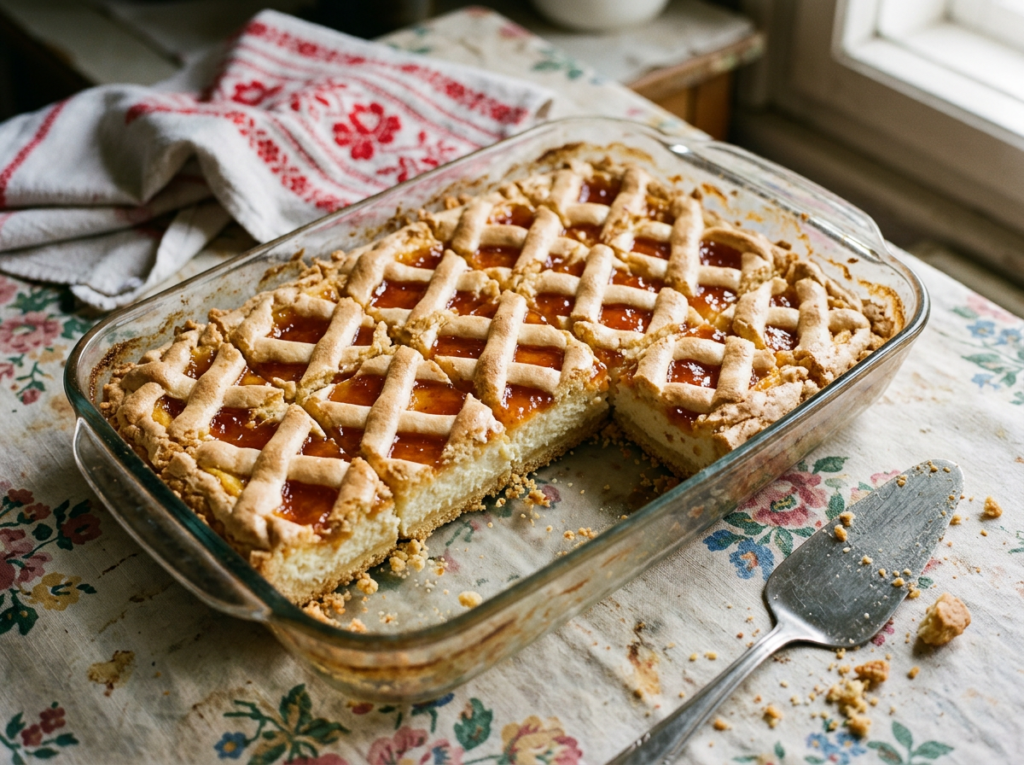
Let’s bake it! Rákóczi túrós

For the base: 250 g flour, 125 g cold butter, 60 g icing sugar, 1 egg yolk, 1 tablespoon sour cream, a pinch of salt

For the filling: 500 g túró (cottage cheese or curd cheese), 3 egg yolks, 100 g sugar, 150 ml sour cream, 2 tablespoons semolina, 1 sachet of vanilla sugar, the grated zest of 1 lemon

For the topping: 4–5 tablespoons apricot jam, 3 egg whites, 150 g sugar

  1. Mix the flour, icing sugar and salt, then rub the cold butter into it. Add the egg yolk and the sour cream and knead a smooth dough. Put it in the fridge for 30 minutes.
  2. Roll out the dough and press it into a baking tin (about 20 × 30 cm). Prick it with a fork and bake it at 180 °C for 12–15 minutes, until it is light golden.
  3. Push the túró through a sieve, then mix it with the egg yolks, sugar, sour cream, semolina, vanilla sugar and lemon zest.
  4. Spread the filling on the base and bake it for another 20–25 minutes, until it is set.
  5. Warm the apricot jam a little and spread a thin layer over the filling.
  6. Whisk the egg whites until stiff, then slowly add the sugar. Pipe the meringue in a lattice pattern on top of the cake.
  7. Bake it at 140 °C for 15–20 minutes, until the meringue is lightly browned. Let it cool completely before you cut it into squares.

Exercises

A) True or False? Correct the false sentences.

  1. Rákóczi túrós was named after Prince Ferenc Rákóczi II.
  2. Ferenc Rákóczi II led a war against the Habsburgs.
  3. The war of independence ended with a Hungarian victory.
  4. Ferenc Rákóczi II died in Hungary.
  5. János Rákóczi worked in several European cities.
  6. The top of the cake is covered with chocolate.

B) Answer the questions.

  1. Why do many people think the cake was named after the prince?
  2. How old was János Rákóczi when he started working in a kitchen?
  3. Which two cooking traditions did he combine?
  4. What was his job at the Brussels World’s Fair?
  5. What are the four layers of the cake?

C) Put the steps of the recipe in the correct order.

a) Pipe the meringue on top.   b) Knead the dough and chill it.   c) Spread the jam over the filling.   d) Bake the base.   e) Spread the filling on the base and bake it.

D) Match the kitchen verbs with their meanings.

  1. to knead
  2. to whisk
  3. to prick
  4. to pipe

a) to make small holes in something with a fork   b) to press and fold dough with your hands   c) to squeeze cream or meringue out of a bag in a pattern   d) to beat something quickly to add air to it

Answer key

A) 1. False – it was named after János Rákóczi, a chef. 2. True. 3. False – the Hungarians were defeated in 1711. 4. False – he died in exile in Rodosto, in the Ottoman Empire. 5. True. 6. False – it is covered with a meringue lattice.

B) 7. Because Rákóczi is one of the most famous names in Hungarian history. 8. He was 15. 9. Hungarian and French. 10. He was in charge of the kitchen of the Hungarian pavilion. 11. A pastry base, a cottage cheese filling, apricot jam and a meringue lattice.

C) b – d – e – c – a

D) 12 – b, 13 – d, 14 – a, 15 – c

 

Tetszett a lecke? Oszd meg!

Tetszett a cikk?

Az 5 Perc Angol immár közel 25 éve áll több tízezer leckével, hanganyaggal, kvízzel és videókkal ingyenesen minden nyelvtanuló rendelkezésére.

Az oldal fenntartása azonban rengeteg munkával és kiadással jár. Ha te is velünk tanulsz, és szereted a tananyagainkat, akkor kérlek, ha lehetőséged engedi, támogasd a munkánkat, hogy még legalább ennyi ideig lehetővé tehessük mindenki számára, napi rendszerességgel az ingyenes nyelvtanulás és nyelvgyakorlás lehetőségét.

Köszönjük szépen!

Iratkozz fel ingyenes napi leckéimre!

Több mint 11.000 INGYENES nyelvlecke

HIRDETÉS
HIRDETÉS

Vocabulary

misleading félrevezető
proudly büszkén
logical logikus
noble (family) nemesi (család)
to be ruled by sb vki uralma alatt áll
independence függetlenség
war of independence szabadságharc
to be defeated vereséget szenvedni
to give up sth feladni vmit, lemondani vmiről
exile / to go into exile száműzetés / emigrálni, száműzetésbe vonulni
national hero nemzeti hős
master chef mesterszakács
cook’s assistant szakácssegéd, kukta
to combine ötvözni, egyesíteni
to be in charge of sth felelni vmiért, irányítani vmit
pavilion pavilon
to create megalkotni, létrehozni
to carry sb’s name vki nevét viselni
cottage cheese túró
meringue habcsók, tojáshab
lattice rács(minta)
recipe recept
cake shop cukrászda
to put sb right kijavítani, helyreigazítani vkit
icing sugar porcukor
a pinch of egy csipet
(lemon) zest (citrom)héj
to rub (butter into flour) (vajat a lisztbe) morzsolni
to knead dagasztani, gyúrni
dough (nyers) tészta
to roll out kinyújtani
to prick megszurkálni
sieve szita
to spread rákenni, elkenni
to set megdermedni, megszilárdulni
to whisk felverni (habverővel)
stiff kemény (hab)
to pipe (habzsákkal) nyomni
browned megpirult

Kapcsolódó anyagok