
Dos and Don’ts – Dining Etiquette Around the World
Portugal
Do: – leave a tip. Around 10 per cent of the bill is common.
Don’t: – ask for salt and pepper if they are not provided on the table. It is considered to be an offense to the chef’s seasoning skills.
France
Do: – keep your hands above the table. Rest your wrists on the table and not on your lap.
– use bread to mop up bits of sauce or food on the plate. Always tear a piece of bread off instead of biting directly into it. When not in use bread belongs on the table not on the plate.
Don’t: – split the bill. It is considered to be the height of unsophistication. Offer to pay the bill in its entirety or someone else will.
Japan
Do: – drink directly from the soup bowl as spoons are uncommon. Slurp your food especially noodles and soup. It shows your appreciation to the chef – the louder the better!
Don’t: – leave a tip. Tipping staff is very rare and can be seen as rude.
– cross your chopsticks, lick them or stick your chopsticks vertically into a bowl of rice, these are all considered very rude
– pass food using chopsticks either, a similar practice takes place at funerals.
Italy
Do: – avoid milk beverages after a meal as they can hinder digestion, go for an espresso instead
– add 5-10 % tip for exceptional service. The rest of the service charge is usually included in the bill.
Don’t: – ask for parmesan cheese if it is not explicitly offered. It’s a huge faux pas to put extra cheese on top of your pizza, and worse still to add it to seafood.
India
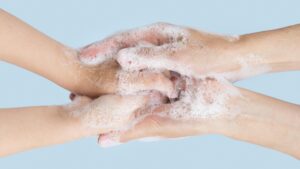
Do: – wash your hands both before and after eating, pay close attention to the fingernails.
Don’t: – eat too quickly or too slowly, a medium pace is important.
– eat with your left hand, it is considered unclean. Use the right hand instead, cutlery is rarely provided.
Thailand
Do: – expect all dishes at once rather than in set courses
– be ready to share. Sharing food is very common and dishes will often be served to split amongst the table
Don’t: – eat from your fork, use it only to push food onto your spoon
– take the last bite from the sharing bowl
China
Do: – belch! This is seen as a compliment to the chef for creating a satisfying meal.
– arrive on time and dress out of respect for your fellow diners.
Don’t: – tip. Restaurants often have a no tipping policy.
– finish all your food, leave a small amount of food on your plate to show your host gave you more than enough to eat
– dig through your food for anything in particular, it’s very rude.
Can you match the countries with what is acceptable to do in them?
|
1. Portugal |
a. Slurp your food especially noodles and soup. It shows your appreciation to the chef – the louder the better! |
|
2. France |
b. Wash your hands both before and after eating, pay close attention to the fingernails. |
|
3. Japan |
c. Belch! This is seen as a compliment to the chef for creating a satisfying meal. |
|
4. Italy |
d. Leave a tip. Around 10 per cent of the bill is common. |
|
5. India |
e. Be ready to share. Sharing food is very common and dishes will often be served to split amongst the table.
|
|
6. Thailand |
f. Avoid milk beverages after a meal as they can hinder digestion, go for an espresso instead. |
|
7. China |
g. Keep your hands above the table. Rest your wrists on the table and not on your lap. |
Key:
1. d.
2. g.
3. a.
4. f.
5. b.
6. e.
7. c.
Can you do the same with the ’don’ts’ ?
|
1. Portugal |
a. Don’t ask for parmesan cheese if it is not explicitly offered. |
|
2. France |
b. Don’t leave a tip. Tipping staff is very rare and can be seen as rude. |
|
3. Japan |
c. Don’t finish all your food, leave a small amount of food on your plate to show your host gave you more than enough to eat. |
|
4. Italy |
d. Don’t eat from your fork, use it only to push food onto your spoon. |
|
5. India |
e. Don’t eat with your left hand, it is considered unclean. Use the right hand instead. |
|
6. Thailand |
f. Don’t ask for salt and pepper if they are not provided on the table. It is considered to be an offense to the chef’s seasoning skills. |
|
7. China |
g. Don’t split the bill. It is considered to be the height of unsophistication. Offer to pay the bill in its entirety or someone else will. |
Key:
1. f.
2. g.
3. b.
4. a.
5. e.
6. d.
7. c.