Hallgasd meg a lecke hanganyagát is!
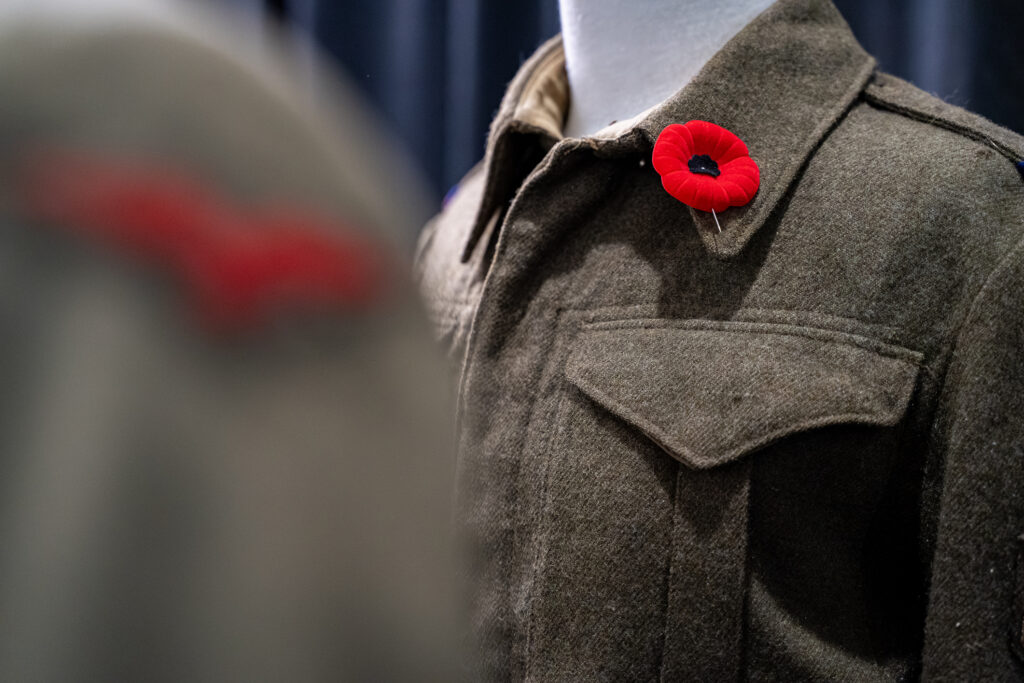
Ha novemberben Nagy-Britanniában jársz, feltűnhet, hogy rengeteg ember kabátján egy kis piros papírvirág, pipacs (poppy) van. Olvasd el a rövid szöveget, utána jön a szószedet és pár kérdés.
Why do British people wear poppies?
Every year on 11 November, people in the UK and many Commonwealth countries mark Remembrance Day. On this day in 1918, at 11 o’clock in the morning, the guns finally fell silent on the Western Front, and the First World War came to an end. This moment is known as the Armistice.
Today, millions of people stop whatever they are doing at 11 a.m. and observe a two-minute silence to remember the soldiers who lost their lives in the two world wars and in later conflicts. On Remembrance Sunday, the second Sunday in November, the King lays a wreath at the Cenotaph, a war memorial in central London.
But why the poppy? During the war, the battlefields of Flanders in Belgium and northern France were completely destroyed. Yet in spring, bright red poppies began to grow among the graves. A Canadian doctor, John McCrae, wrote a famous poem about them called In Flanders Fields, and the flower soon became a symbol of remembrance.
Since 1921, the Royal British Legion has sold paper poppies to raise money for former soldiers and their families. Many people wear them on the left, close to their heart, from the end of October until 11 November.
Kérdések a szöveghez
1. What happened at 11 a.m. on 11 November 1918?
2. What do people do at 11 a.m. on Remembrance Day?
3. Why did the poppy become a symbol of remembrance?
4. What is the money from the paper poppies used for?
Megoldások:
1. The guns fell silent and the First World War ended (the Armistice).
2. They stop and observe a two-minute silence.
3. Because poppies grew among the graves on the destroyed battlefields, and John McCrae wrote a famous poem about them.
4. It helps former soldiers and their families.