

Te tudod, hogy a világon elfogyasztott élelmiszer mekkora része végzi a kukában?
Vagy, hogy az üvegház kibocsájtás hány százalékát okozza az élelmiszerpazarlás?
Vagy, hogy a háztartások globális élelmiszer-pazarlás hány százalékáért felelősek a háztartások?
Olvasd el a cikket, keresd meg a választ bennünk!
Tackling the Global Food Waste Crisis
Did you know that one-third of all food produced globally is thrown away every year? While millions of people suffer from hunger, this massive waste creates a severe environmental crisis. Food waste accounts for about 8% of all human-caused greenhouse gas emissions. When organic waste rots in landfills, it releases methane—a powerful greenhouse gas that is 25 times more potent than carbon dioxide. Furthermore, wasting food means wasting the precious freshwater, fertilizers, energy, and land used in its production. For instance, growing food that ends up in the bin consumes up to 21% of our freshwater and 18% of our cropland.
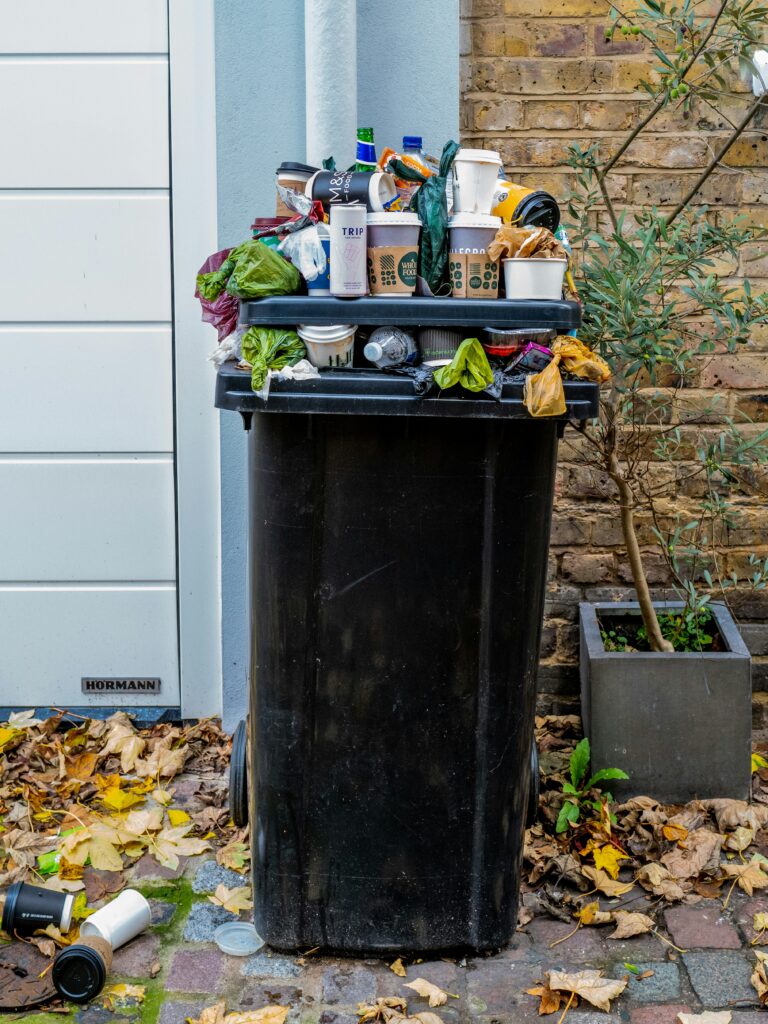
Solving this crisis requires a collective, global effort from producers, businesses, governments, and everyday consumers. Producers can adopt better on-farm storage, transition to climate-resilient crops, and donate surplus produce instead of discarding it. Governments also play a vital role; for instance, France passed a landmark law requiring supermarkets to donate unsold food to charities rather than throwing it away.
At the consumer level, simple daily habits can make a huge difference. By planning meals carefully, understanding food labels (such as recognizing that “best before” dates refer to optimal quality rather than food safety), and composting food scraps, we can significantly reduce our carbon footprint. Shifting toward sustainable, plant-based diets will protect our planet and its natural resources for future generations.