The Story Behind “I Will Always Love You”
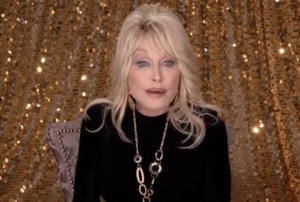
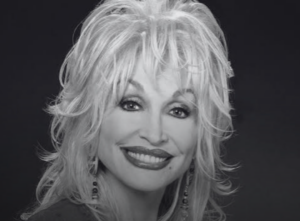
Dolly Parton moved to Nashville in 1964 with big dreams but only modest early success. Her career took off when country star Porter Wagoner invited her to sing on his TV show and later signed her to his record label. Together, they became a hugely successful musical duo.
By 1973, though, Parton wanted to become a star in her own right. Leaving Wagoner wasn’t easy — she felt deeply grateful to him but knew she had to move on. Instead of simply talking to him, she did what she did best: she wrote a song. That song was I Will Always Love You — a heartfelt goodbye that expressed both gratitude and determination. When she sang it to Wagoner in his office, he cried and told her it was the best song she’d ever written. He agreed to let her go — as long as he could produce the track.
A year later, the song became a huge hit. Even Elvis Presley wanted to record his own version. But his manager demanded that Parton give up half of the songwriting rights. Despite how much this opportunity meant to her, Parton refused — a bold decision that she later said made her cry all night.
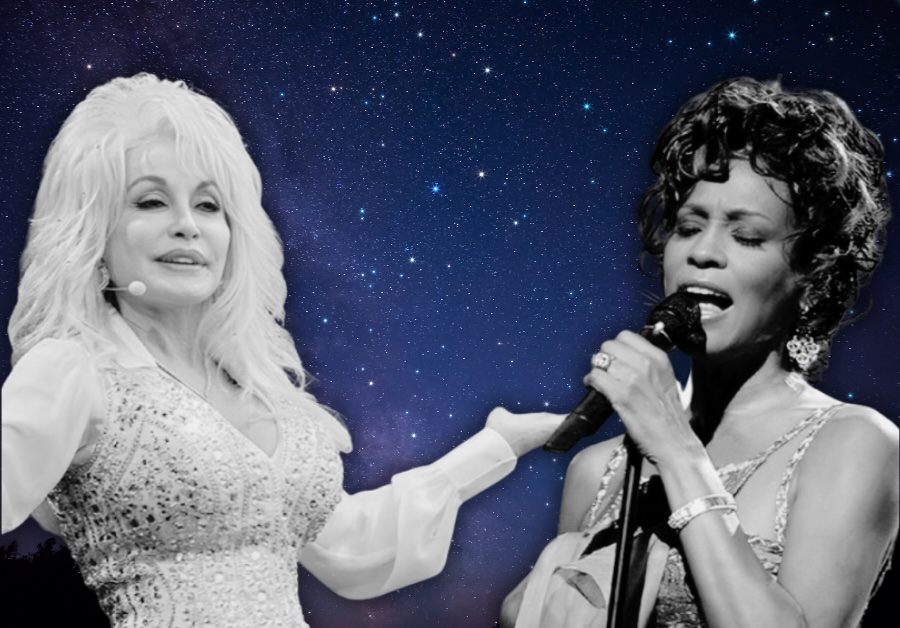
That decision paid off. Years later, the song was used in the 1992 film The Bodyguard, sung by Whitney Houston. Houston’s powerful, dramatic version became a massive hit, while Parton’s original remained loved for its simplicity and honesty.
The song’s core message never changed: an ending filled with both sadness and lasting love — powerful enough to move audiences for generations.



Now decide if these satements are true or false!
True or False
Answer Key